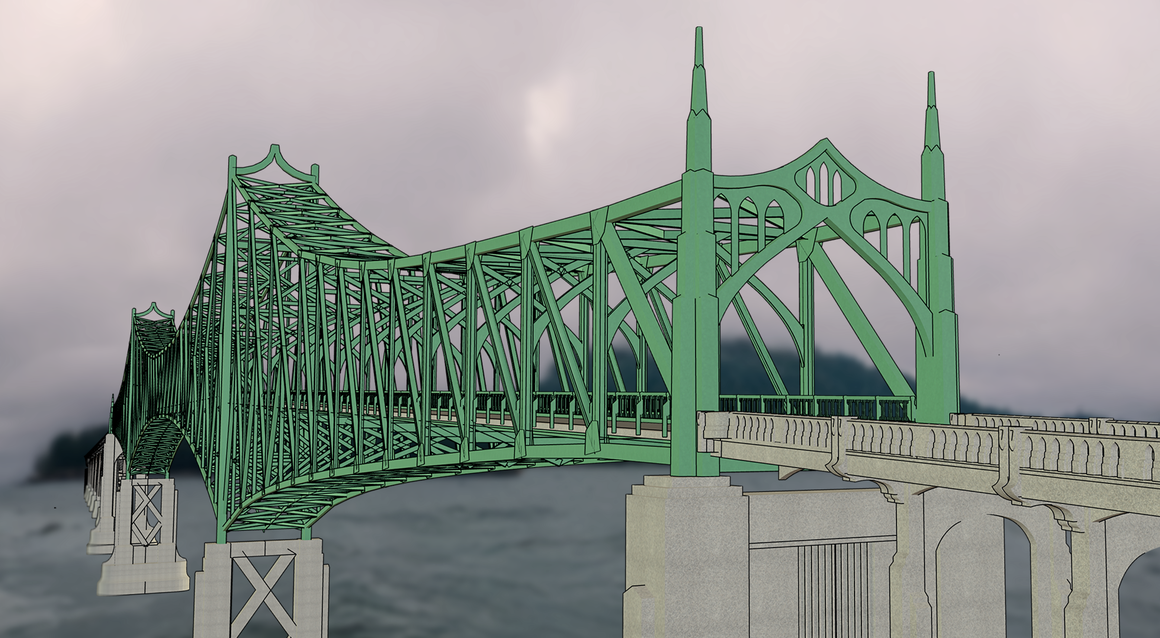
The McCullough Memorial Bridge Model
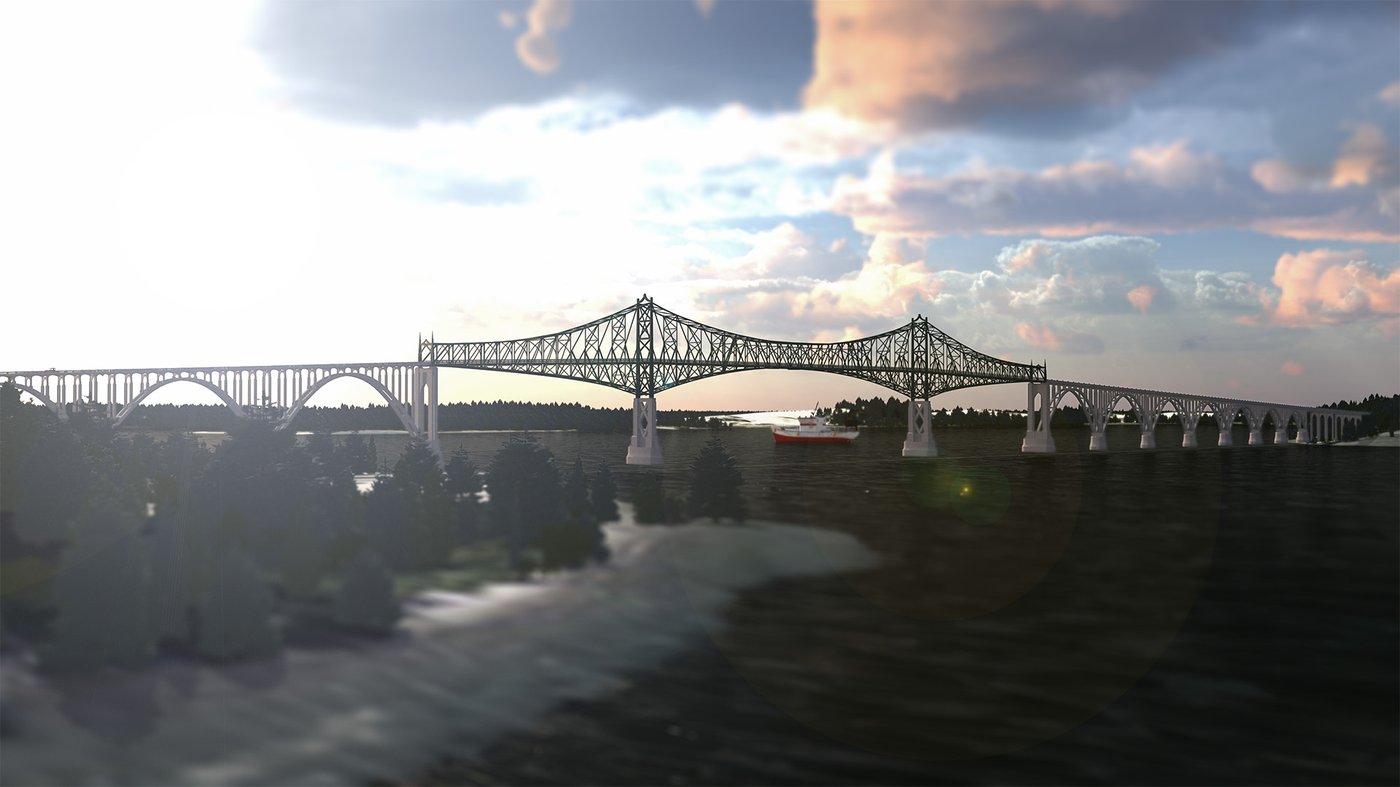
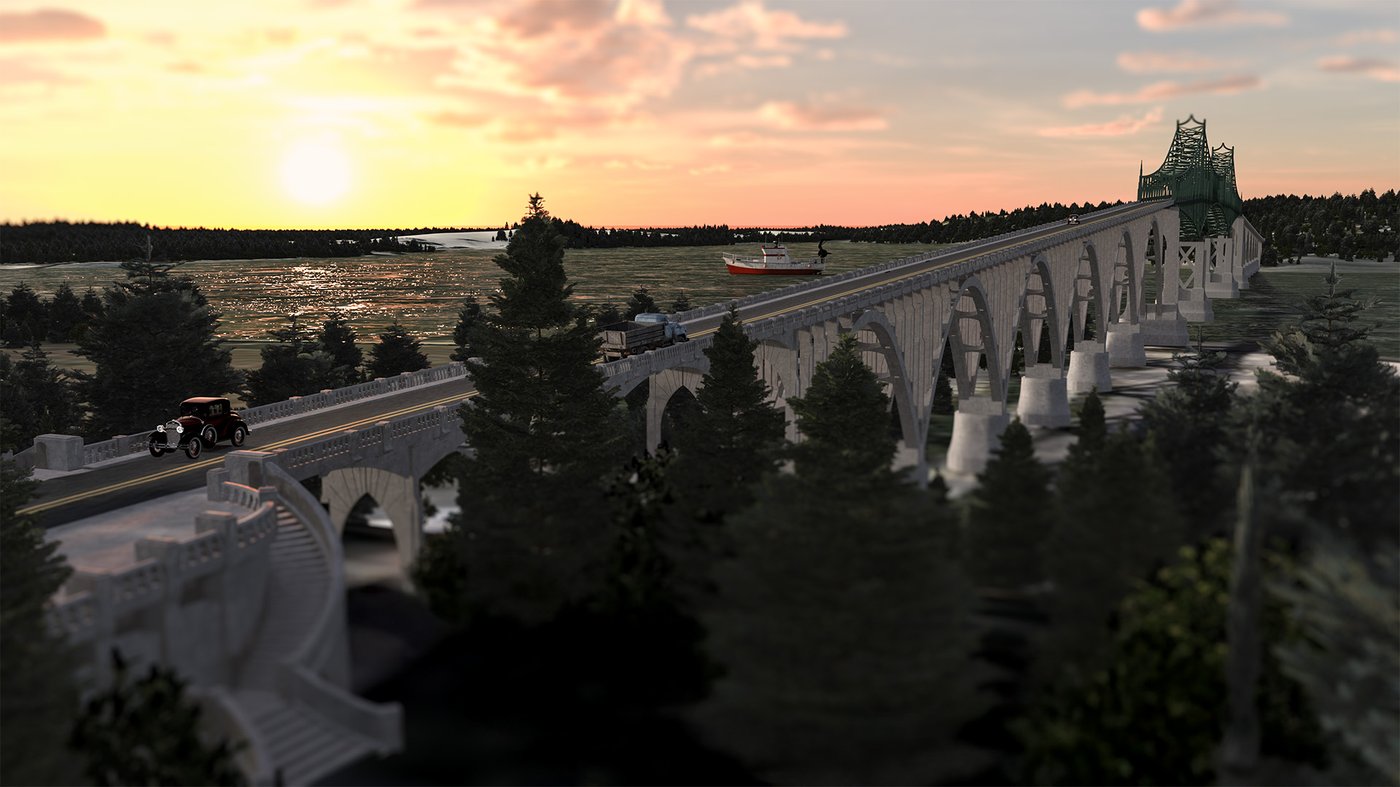
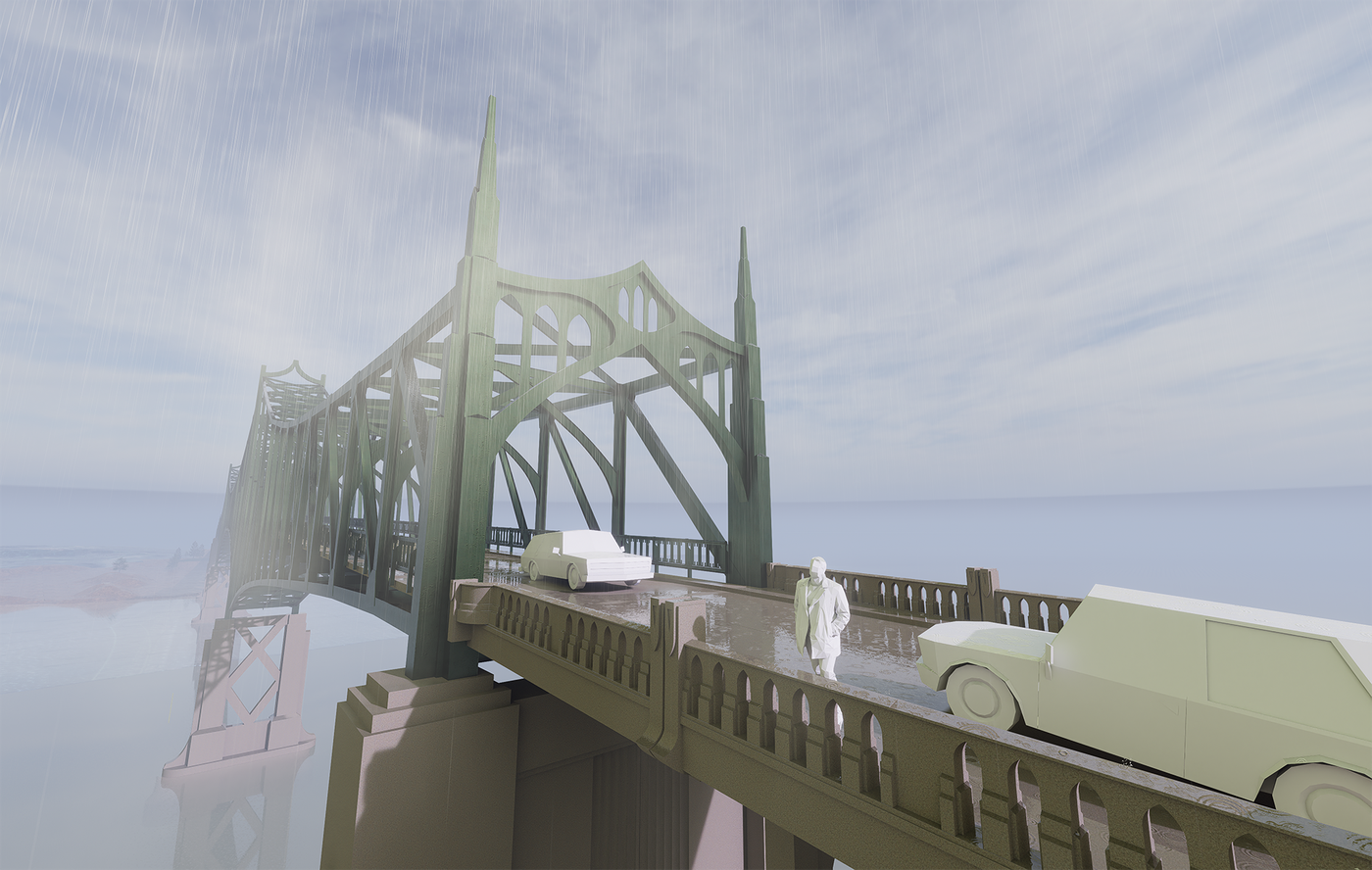
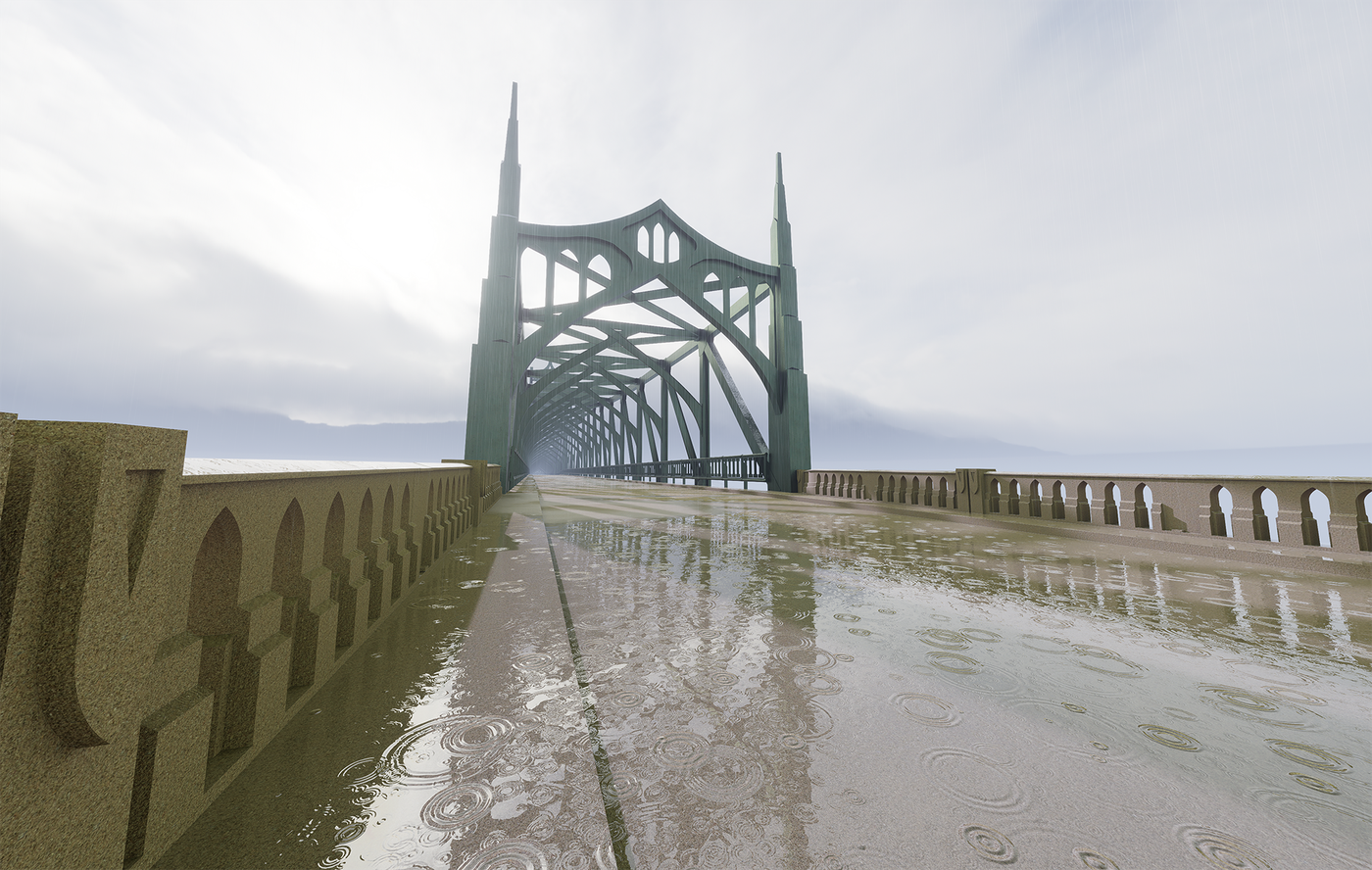
A fully measured 3D reconstruction of Conde McCullough's Depression-era masterpiece spanning Coos Bay - built without original schematics, using satellite data, point cloud scanning, and a healthy respect for Art Deco engineering.
The Assignment
At Fat Pencil Studio, where I use design and visualization to help attorneys investigate and present the facts of their cases, new employees are given a training exercise with a distinctly Oregon flavor: pick a bridge, measure it, and build a precise 3D model using good design principles. No schematics handed to you. Just the structure, your tools, and your problem-solving instincts. I chose the Conde McCullough Memorial Bridge spanning Coos Bay - a cathedral-arched Art Deco landmark completed during the Great Depression, when McCullough's team built five major bridges in just six months working double shifts.
Measuring Without a Blueprint
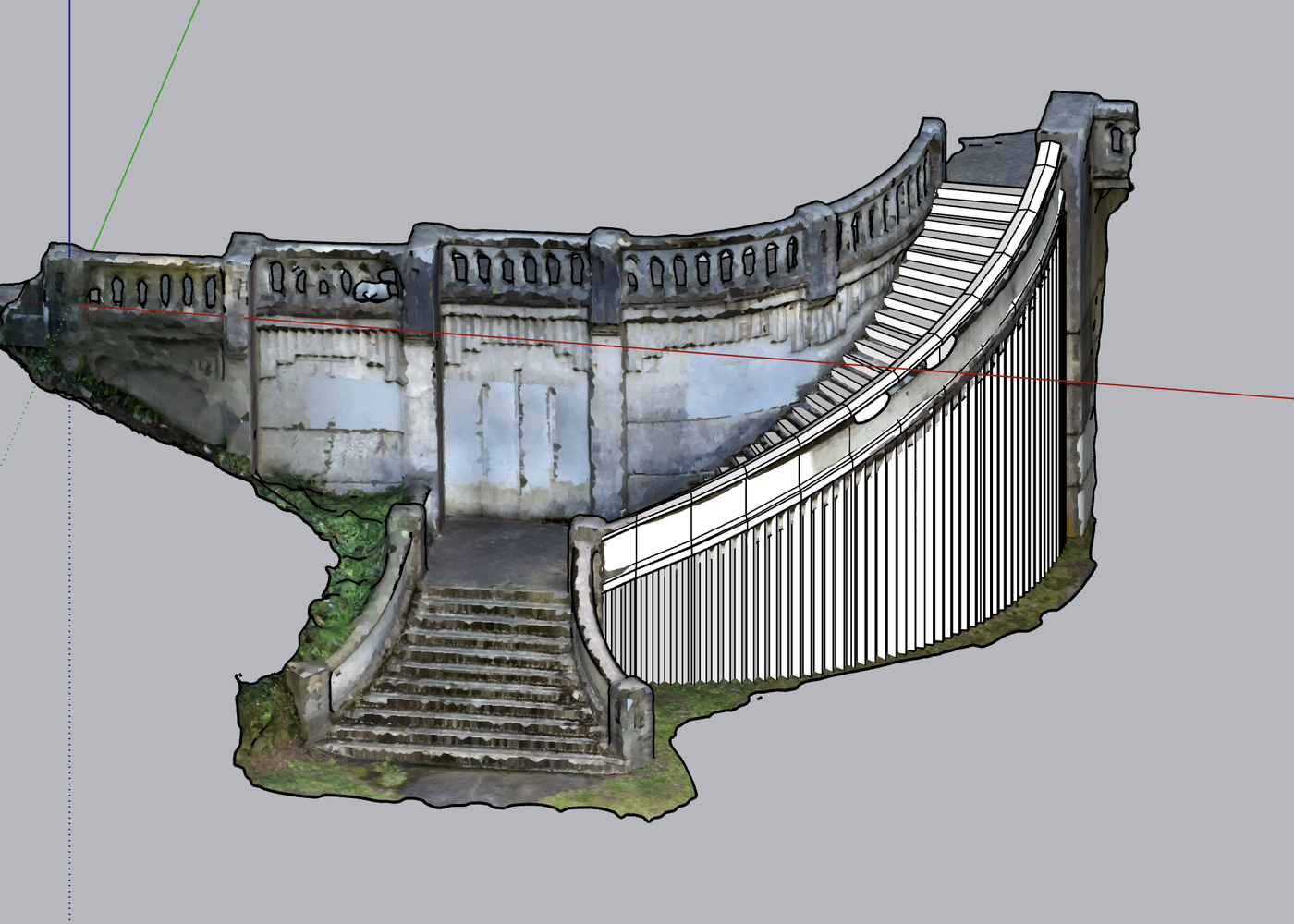
Without original schematics, I developed a custom measurement rubric by cross-referencing data sources. I confirmed the central span length, then used Nearmap satellite imagery to extrapolate an accurate structural grid. Heights were trickier - the site required out-of-the-box solutions, including satellite deduction and Polycam point cloud scanning to cross-check estimates. Profile Builder handled custom profiles extruded along structural grids; Flowify projected the curved staircases along their arched walls. Geographic context came from Blender GIS and DEM Earth. Final lighting and texturing happened in D5 Render and Cinema 4D with Redshift.
What I Learned
Beyond the modeling craft, the research surfaced some genuinely fascinating history. The salty coastal air destroyed the nearby Alsea Bay Bridge by 1990 - a corrosion problem that drove development of cathodic protection technology: thermally applied zinc coating combined with DC rectifiers, invented specifically to save these bridges. And the grand staircase on the southern end? High school students in the area have been taking prom photos on it for nearly 90 years. Good bones.
You can read more about my full process on the Fat Pencil Studio blog.